
'Community Hub' or Just Another Directory? How to Tell Which Local Listing Is Worth Paying For

‘Community hub’ listings: what are you actually paying for?
Three times the price of a plain directory entry — for what? That’s the call plenty of Greenock business owners are fielding this month: a spot on a shiny new local “community hub”, with blog posts, events, job ads and deals wrapped around the listing. The polish is real.
The question underneath it is simple. Does that bundle put one extra call through your phone, or are you renting a link you hand straight back the day you cancel?
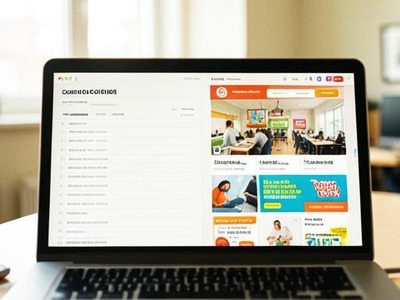
The appeal is obvious. A hub carrying live events, local news and job ads looks more credible than a bare name-address-phone entry, and an owner scrolling it assumes the site’s traffic and authority rub off on every business listed inside. That assumption is exactly what the premium is charging for — the look of it.
What the scroll won’t tell you: whether the link back to your site is dofollow, whether the hub gets real visitors of its own, and what happens to your listing the moment you stop paying. Those three answers decide whether you bought a marketing asset or borrowed one.
The three-question test before you pay a penny
Owners keep asking the same three things when a hub pitch lands, and the pitch never answers them. Here’s how to answer them yourself. It takes about ten minutes. Already got an invoice sitting in front of you? Speak to our team and we’ll run the checks with you.
Is the link dofollow? Open your listing page, right-click, choose View Page Source, and search for your web address. A rel="nofollow" or rel="sponsored" tag tells Google to pass no ranking value through that link.
That’s not automatically a deal-breaker. A nofollow link on a hub locals genuinely read still sends clicks. A dofollow link on a site nobody visits sends nothing.
Does the hub get real traffic? Check whether the hub’s own pages rank for anything a Greenock customer would actually type. Then take a distinctive phrase from one of its articles and search it in quotes.
If Google can’t find the hub itself, the hub has no authority to lend you.
What happens when you cancel? Get the answer in writing. On most paid hubs, the listing, the link and the events exposure vanish together, and any reviews you gathered there go with them.
If you can’t keep it, you were renting it. Plain and simple.
Two red flags worth naming, because they turn up locally: a cold call claiming your “listing is about to expire” on a directory you never joined, and an invoice-style letter demanding renewal on a subscription that never existed. Both are old tricks wearing a new community-hub wrapper.
Why Online Marketing Group takes a different approach

Online Marketing Group is a Greenock digital marketing agency built on the opposite principle: pay for leads you can measure, not for space inside someone else’s directory. Founder Keith Malone brings a long career in sales and marketing, and the agency runs on a pay-per-lead model with no retainers and no lock-in contracts, backed by the Double Your Money Guarantee — OMG keeps working at no extra cost until you see a strong return on what you invested.
As Keith puts it: “Big agencies sell you retainers, jargon, and reports that don’t pay the bills.” A community hub subscription is the same pattern wearing a friendlier face — a recurring fee for exposure you cannot trace to a single phone call. What OMG builds instead are the digital assets your business owns outright: a conversion-focused website, an optimised Google Business Profile, and lead generation tracked to revenue. Get in touch to book your qualification call and see where your current listings and website stand before you spend another pound on either.
An honest comparison: bundled hub versus owned digital presence

A community hub is, at best, a rented shopfront. Cancel the subscription and the listing, the backlink and the events exposure leave with it. That’s the borrowed-authority problem this whole comparison comes down to. A website and a Google Business Profile that we build and optimise for you stay yours permanently, and every lead they generate tracks back to pounds and pence — not impressions, not reach.
There’s a better use of the same money, and hardly anyone will sell it to you: make your own profile the trustworthy hub. A verified Google Business Profile, kept fresh with real reviews, consistent NAP details and regular posts, is the listing customers and AI Overviews actually read. No hub subscription required.
Add a short video answering one question local customers keep asking, plus an automated follow-up to every enquiry that profile brings in, and you own the whole chain start to finish. No hub owns any part of it.
A hub can genuinely help with one thing: local discoverability for a business with no web presence at all, or a niche audience the hub owns and you don’t. That’s the whole of it — a narrow advantage that doesn’t change the underlying maths. A listing you rent every month competes for the same budget as a website and lead system that keeps compounding long after the first invoice.
Who this approach suits best
This is for Greenock and wider Inverclyde business owners who are already paying — or being pitched — for a bundled local listing and want a straight answer on whether it’s earning its keep. It’s also for any local business ready to swap an unmeasured directory spend for a pay-per-lead system where every £ is accounted for. It isn’t for a business that just wants a once-off name-and-number listing and has no interest in tracking what it returns.
Keith’s rule on who we work with applies here too: we’d rather turn down a business we can’t help than over-promise and let you down. If your hub subscription is genuinely working, we’ll tell you to keep it.
Book your qualification call
Bring your current directory and community hub subscriptions to the call and OMG will tell you plainly which ones are worth keeping. Book your appointment online now, or contact us today if you have a question first.